Vitamins are organic compounds crucial for various bodily functions. They support immune health, energy production, and cell repair. Each vitamin plays a unique role, contributing to overall well-being and preventing deficiencies.
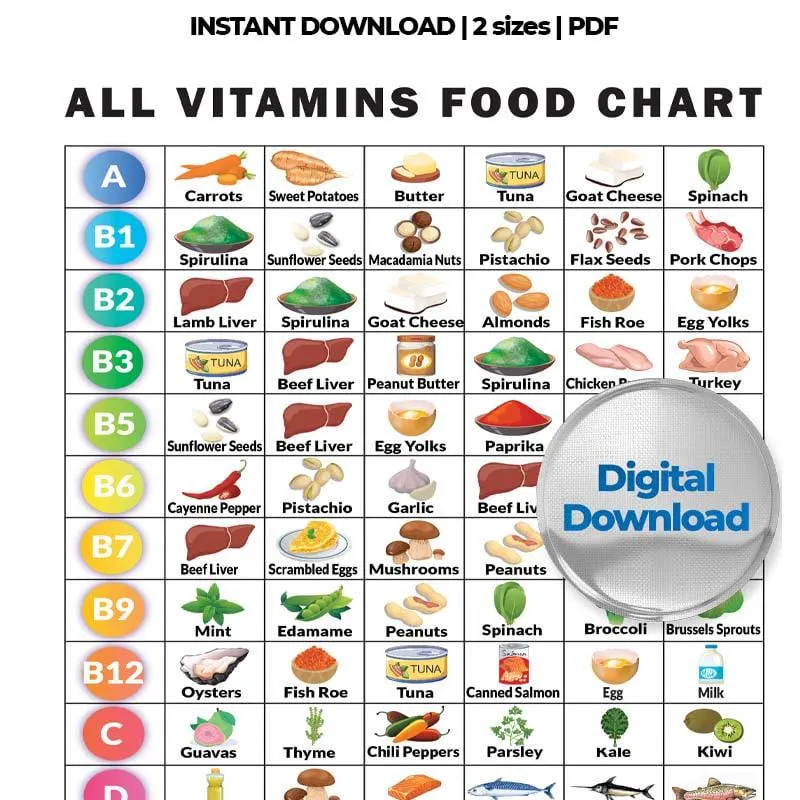
list of vitamins and what they do
List of Vitamins and What They Do
Essential Vitamins for Overall Health
Vitamins are organic compounds crucial for various bodily functions. They support immune health, energy production, and cell repair. Each vitamin plays a unique role, contributing to overall well-being and preventing deficiencies.
Vitamin A is vital for vision and immune function. It helps maintain healthy skin and mucous membranes, while Vitamin B complex supports metabolism and energy levels. Vitamin C is essential for collagen production and antioxidant protection.
Fat-Soluble vs. Water-Soluble Vitamins
Vitamins are categorized into fat-soluble and water-soluble groups. Fat-soluble vitamins, such as A, D, E, and K, are stored in the body’s fatty tissues. They play significant roles in bone health, blood clotting, and antioxidant defense.
Water-soluble vitamins, including B vitamins and Vitamin C, are not stored in the body. They must be consumed regularly through diet. These vitamins are crucial for energy production, red blood cell formation, and maintaining a healthy nervous system.
- Vitamin A: Supports vision and immune function.
- Vitamin B1 (Thiamine): Aids in energy metabolism.
- Vitamin B2 (Riboflavin): Important for energy production.
- Vitamin B3 (Niacin): Supports skin health and metabolism.
- Vitamin B5 (Pantothenic Acid): Essential for hormone production.
- Vitamin B6: Involved in amino acid metabolism.
- Vitamin B7 (Biotin): Supports healthy hair and nails.
- Vitamin B9 (Folate): Crucial for DNA synthesis.
- Vitamin B12: Important for nerve function and red blood cells.
- Vitamin C: An antioxidant that supports immune health.
- Vitamin D: Essential for calcium absorption and bone health.
- Vitamin E: Acts as an antioxidant protecting cells.
- Vitamin K: Important for blood clotting processes.
A balanced diet rich in fruits, vegetables, whole grains, and lean proteins ensures adequate vitamin intake. Understanding the role of each vitamin helps individuals make informed dietary choices to enhance their health.
The importance of vitamins cannot be overstated; they are fundamental to maintaining optimal health. Regularly consuming a variety of nutrient-dense foods can help prevent deficiencies and promote overall wellness.
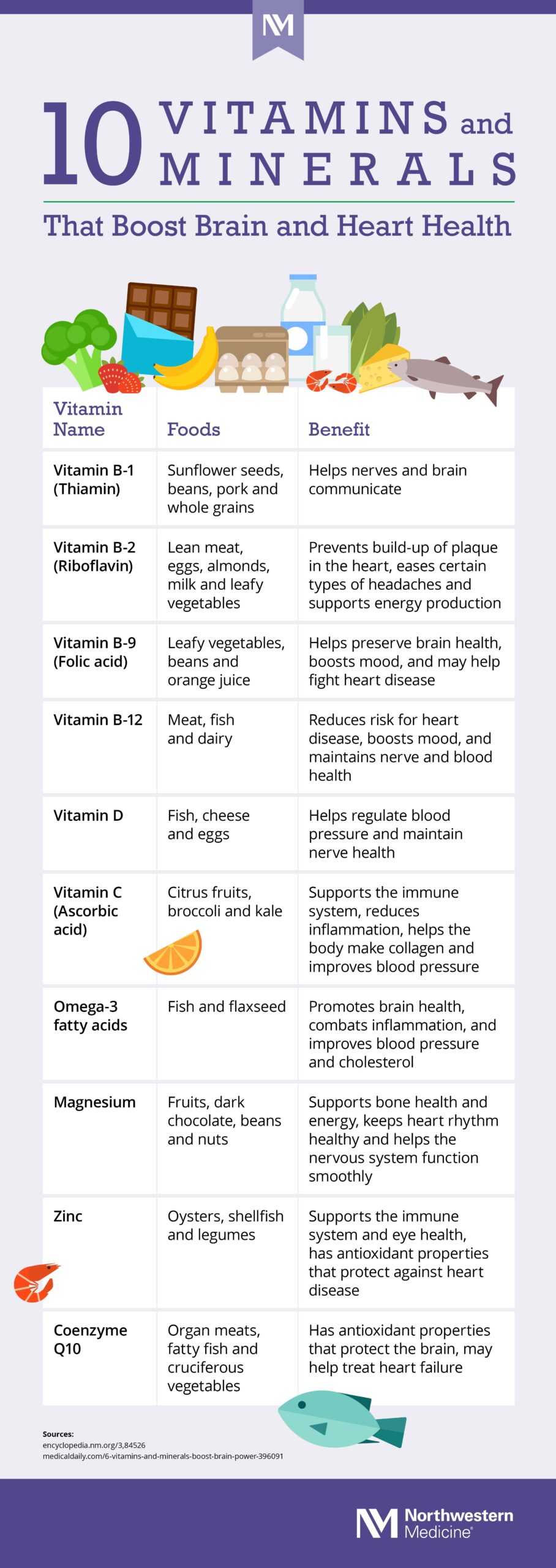
10 Vitamins And Minerals That Boost Brain And Heart Health Infographic
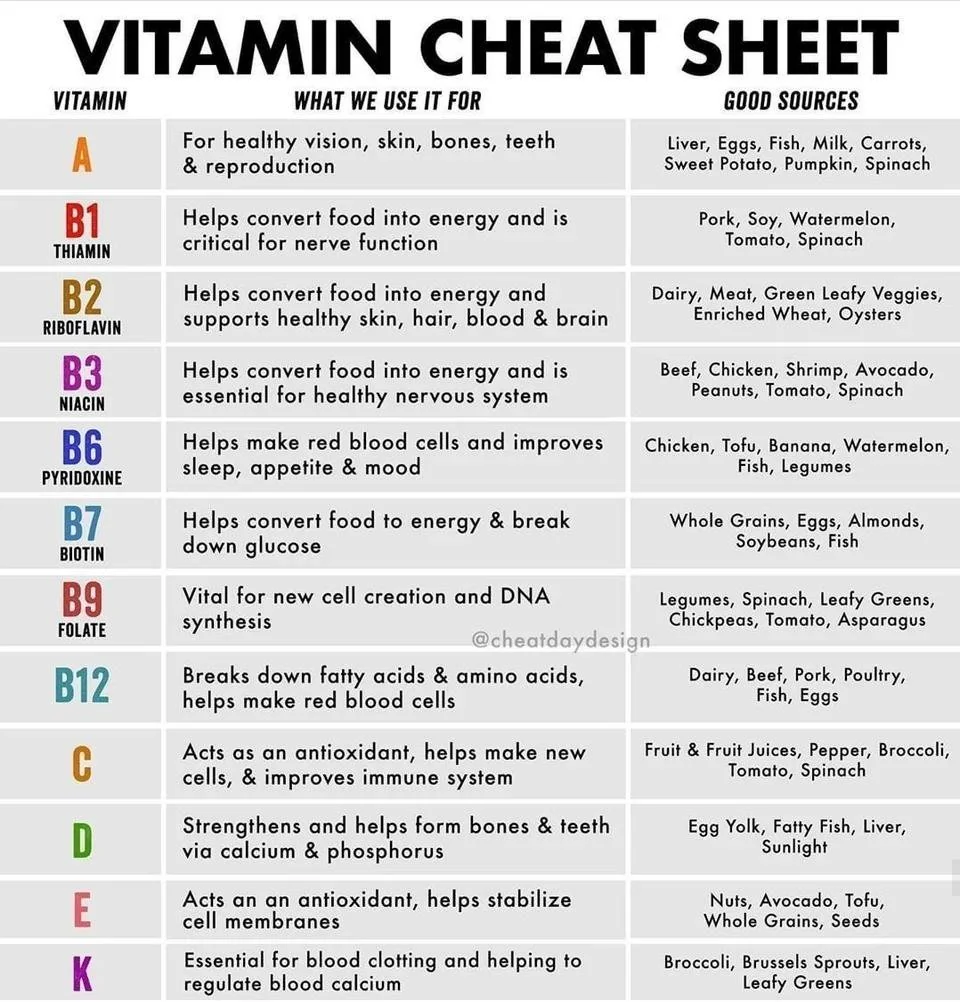
Vitamin Cheat Sheet